
Wearable biosensors could help detect disease earlier
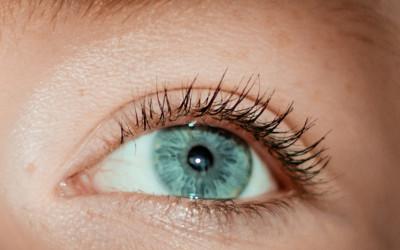
An Open University (OU) researcher is leading a new four-year European research network exploring how next-generation wearable biosensors could help detect disease earlier and support more personalised healthcare.
WEARSENSNET, led by Dr Sotiria Psoma, Senior Lecturer in Bionanotechnology and Electronic Engineering at the OU, has been awarded approximately £600,000 through the European Cooperation in Science and Technology (COST) programme.
The project will establish Europe’s first multidisciplinary network dedicated to wearable nanobiosensors, bringing together researchers, clinicians, industry and policymakers from 25 countries.
The network will focus on emerging wearable technologies, including smart contact lenses and other devices capable of detecting biomarkers associated with disease. Such technologies could eventually offer simpler, less invasive ways of monitoring health and identifying conditions earlier.
The WEARSENSNET Action was launched at a meeting in Brussels on 30 September 2026, where members of its Management Committee came together to agree priorities for the four-year project.
Dr Psoma said: “Wearable biosensors have enormous potential to transform healthcare by making monitoring and diagnosis simpler, more personalised and more accessible. Through WEARSENSNET, we are bringing together expertise from across Europe to help accelerate innovation and move promising technologies closer to real-world healthcare applications.
“Our current research is developing smart contact lenses that could help detect disease by analysing a person’s tears. This technology could pave the way to a simple and comfortable way to monitor health, allowing conditions to be identified earlier and helping patients receive the right treatment sooner.”
Using tears to monitor health
Research into wearable biosensors is attracting growing international attention. Dr Psoma was recently featured in an American Chemical Society article exploring how biomarkers in tears could potentially help diagnose conditions including cancer, Parkinson’s disease and Alzheimer’s disease.
Glaucoma and diabetes are among the conditions currently being investigated using wearable and contact lens-based biosensor technologies. Many of these technologies are still in development and require further clinical validation before they could become part of routine healthcare.
Researchers believe future wearable devices could potentially detect or monitor a much wider range of diseases and health conditions.
By bringing together expertise spanning engineering, materials science, healthcare and clinical practice, WEARSENSNET aims to tackle some of the scientific and practical challenges involved in moving promising biosensor technologies from research towards real-world healthcare applications.
The COST award was secured through a highly competitive European funding programme. In 2025, more than 1,000 COST Action proposals were submitted, with 80 selected for funding.
For the OU, the four-year network will also create opportunities for new international research collaborations, future research funding and engagement with healthcare, industry and policymakers across Europe.
You may also be interested in:
Contact our news team
For all out of hours enquiries, please telephone +44 (0)7901 515891
Contact detailsNews & articles
Wearable biosensors could help detect disease earlier
An Open University researcher is leading a new four-year European research network exploring how next-generation wearable biosensors could help detect disease earlier and support more personalised healthcare.


Explore

Undergraduate
Postgraduate
Policy
-
Follow us on Social media
-


