Research that transforms lives
We use our research to transform lives across the four nations and globally.
We take a challenge-led and open approach to research through our Open Societal Challenges (OSC).
These Challenges are driving real change across the themes of Sustainability, Tackling Inequalities and Living Well.
We need the brightest minds to address the most pressing needs of our time and we are building a more diverse next generation of research leaders to continue to support this and to broaden our horizons.
Learn more about the OSC programme Collaborate with usResearch at The Open University
Research news and articles

Can care build a better economy?
The Open University hosted its third lecture in its Global Development Annual Lecture series on 22 October 2026, delivered by Naila Kabeer, Professor Emeritus at the London School of Economics, a faculty member of their International Inequalities Institute, and on the government board of the Atlantic Fellowship for Social and Economic Equity.
OU secures major grants to strengthen trust in AI
A researcher from The Open University's Knowledge Media Institute has secured a major UK Research and Innovation grant to help ensure artificial intelligence can be used safely, fairly and transparently in research assessment.

Vaccines have been so successful that some people have forgotten why we need them
Misconceptions about vaccination persist, including the belief that improved hygiene and sanitation have made vaccines unnecessary. Why do such claims continue to attract support when the evidence for vaccination is so strong?
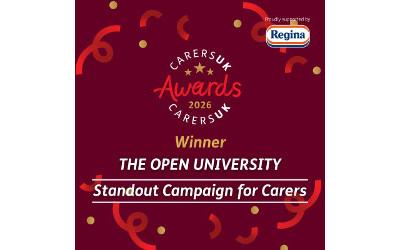
OU public health campaign wins national Carers UK Award
A national public health campaign co-developed by The Open University researchers to support UK-wide communities to age well, inclusive of, co-developed with and for unpaid carers, has won the ‘Standout Campaign of the Year’ category at the 2026 Carers UK Awards.
Social media
Find out more about our Research Degrees

New OU research video series
Interested in research? Check out the new Open University research video series 'So What?' to find out more about some of the impactful research happening at The Open University.
Discover more
Five most recent publications
Discover research at The Open University
Open Research Online (ORO) is the Open Access repository of research outputs from The Open University's research community.
The service is publicly accessible and can be browsed and searched freely. It is home to thousands of peer reviewed publications.
Browse ORO or search using the box below.


Explore

Undergraduate
Postgraduate
Policy
-
Follow us on Social media
-