The leaders we need: Quiet influence and reflection in uncertain times
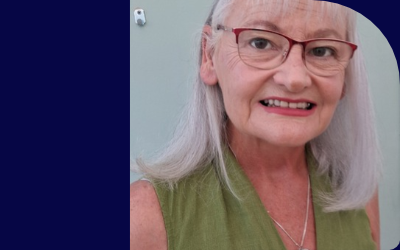
In her inaugural lecture on 8 October 2026, Jacqueline Baxter, Professor of Public Leadership and Management, Open University Business School, Faculty of Business & Law, examined the powerful yet often unseen ways organisational and sociological cultures shape learning, leadership, meaning and occupational identity in today’s workplaces.
Drawing on her latest research into how leaders emerge, she revealed how organisational values, norms and power structures influence not only who rises to leadership— but who is overlooked. The lecture concluded that more innovative ways of recruiting, developing and retaining talent are vital to ensure the future health of our public services.
Watch the webinar online
[8:47] Colleagues, good evening and thank you for joining us in another lecture in our inaugural
[8:55] lecture series. Now, I'm Professor Mark Brandon. I'm the Pro- Vice-Chancellor for research and innovation here at The Open University. And I have to say this
[9:04] is one of the highlights of my job. I'm proud and I'm very privileged to be hosting one of our inaugural lectures.
[9:11] Now, this is part of a series which showcases our research, our teaching, and our knowledge exchange portfolios.
[9:19] Now today we're going to hear from Jacqueline Baxter who's the Professor of Public Leadership and Management at The Open University Business School in the
[9:28] Faculty of Business and Law and she'll deliver a lecture called the leaders we need quiet influence and reflection in uncertain times.
[9:38] It will examine the powerful yet often unseen ways organizational and sociological cultures shape learning and
[9:47] leadership. meaning an occupational identity in today's workplaces.
[9:54] But before we begin, a little bit of housekeeping.
[9:57] Now, after the lecture, we'll have some Q&A. Uh, and then there will be refreshments for the people within the theatre downstairs.
[10:05] Now, for anyone in the audience using social media, we have a tag at Open University and feel free to use your
[10:13] social media. Let the world join us today. Uh for members of the audience who are joining online via YouTube, uh
[10:20] please use the email address provided um and you can ask questions. Keep your comments and questions brief and we can
[10:27] address them during the Q&A. And you can also of course add your comments in the YouTube chat.
[10:34] But now the main business. It's time for me to introduce Professor Jacqueline Baxter. Now Jacqueline Baxter is in the Department for Public Leadership and
[10:42] Social Enterprise at the OU Business School.
[10:46] Now, Professor Baxter is an internationally recognized researcher in leadership and governance, organizational culture, and adult
[10:54] learning. Now, her work examines how people learn and form professional identities across their careers.
[11:02] Her recent research has shown how organizational cultures influence and who emerges as a leader and critically
[11:09] who doesn't. Something I need to listen to. She leads funded studies across the national health service across
[11:17] higher education and secondary education as well and her publications challenge the traditional views of leadership.
[11:25] They emphasize uh expertise, judgment, reflection and of course inclusive development. So it
[11:34] gives me great pleasure to introduce now Professor Jacqueline Baxter. Jackie,
[11:39] [applause]
[11:41] thank you.
[11:44] [applause]
[11:47] Thank you very much, Mark. What a lovely introduction. Um, well, I'll just start off with saying how lovely it is to see
[11:55] colleagues, friends, and family both in person and online here. Um it was a 10-year journey from doctoral studies to
[12:03] professorship and along the way a lot of people have supported me offered their encouragement and of course their wisdom
[12:11] especially when the going get got tough there are some particular thanks that I'd like to give um before I begin. So
[12:19] uh to my part I'm going to try not to cry here because that would be a bad start. Um, to my partner Robert who has
[12:27] put up with an introvert facing bigger and bigger audiences and listened so patiently along the way. Uh, to my sons
[12:34] Alex, Harry, and William and their partners who are all true feminists and very supportive too and are out there
[12:42] rooting for me. And to my mom and my sister for putting up with the online persona that I've had to create over the
[12:50] years. And to my dad who said to me, "You never stop arguing. Will you ever stop arguing and questioning, Dad?" It
[12:59] stood me in good stead if you're watching from up there. So, thank you very much. So, what is a research professor?
[13:07] Because many of you out there will be listening from outside of academia and it's not always clear what being a
[13:14] research professor means. Well, research professors are driven by curiosity.
[13:20] We're very nosy people and a suspicion that the obvious answer to questions isn't the whole story.
[13:29] Anger and injustice have driven me throughout my career. That's why I was so attracted to coming to work for The Open University.
[13:39] And they tell me that something needs to change. That's what provokes has provoked all of my research um
[13:48] projects all of my career and started me off on the journey. Doing the research
[13:54] helps me to work out what it is that needs to change and why and how.
[14:02] So although these research projects on my first slide may at um first sight
[14:08] appear to be not connected, actually they have all contributed to the research that I do today.
[14:19] and the questions that have emerged from my research and my reading and my uh conversations with my colleagues both in
[14:27] the department for public leadership and more widely across the world have informed my thinking and informed the
[14:36] way that I approach my research. So, it's not just we don't just live out of books. We also talk a lot to other
[14:45] academics and every person that you talk to both academic and practitioner or non-academic actually informs the way
[14:54] that we think about life and the way that we think about life informs what we research and how we go about doing it.
[15:04] So the key questions that have emerged from my leadership journey so far is why is it that leadership is so often
[15:12] perceived to be an extroverted activity in both the UK and the US and why do
[15:19] quieter people not emerge as leaders so readily as those demonstrating more extroverted behaviours
[15:28] and these led to the three research questions that I'm going to talk about today. But be f first a little bit of
[15:36] background. So, what do we mean when we talk about an introvert and an extrovert?
[15:41] Well um ber and all in 2024 gave me what I find the most satisfying definition of all that they are preferred
[15:50] dispositional behaviours. And I like that definition because it indicates to me
[15:58] that we can act differently. We're not bound by our dispositions otherwise I probably wouldn't be standing in front of you today.
[16:08] So introverts um you know have different energy to extroverts. Introverts an introvert normally recharges through
[16:17] time alone or in quiet settings whereas an extrovert gains energy from social situations. There are differences in
[16:26] thinking too. An introvert often reflects before speaking, sometimes for a very long time indeed. How many
[16:33] meetings have I been in where I don't actually get the answer to the questions until afterwards when I'm having a
[16:40] coffee? Whereas extroverts quite often think aloud while they're speaking. They articulate their thoughts.
[16:49] In conversation, introverts may prefer an indepth and one-to-one discussion whereas extroverts get energy from group discussions and broad networks.
[17:01] So many many different uh styles and of course uh in terms of stimulation and also working style. Sometimes introverts
[17:10] prefer focused uninterrupted work whereas extroverts prefer active collaborative work. But introversion is
[17:19] a distribution of states. It's not set in stone.
[17:23] Um, and if it were, then the multi-million-dollar industry that sprung up since Susan Kaine's book,
[17:32] Quiet, which is written some time ago now, there has been a multi-million-dollar industry that sprung up in terms
[17:39] of coaches trying to coach introverts, people with a preferred disposition to be introverted into extroverts.
[17:49] That's not our bag on this research team and it certainly isn't mine. My view is
[17:56] that it's actually society, UK society that needs to change and US society.
[18:03] And I'll talk a little bit more about that as I go along. So I'll start you off with a quote.
[18:10] Anyone who is, and no offense to the PVC who's here today, uh, [laughter] anyone who is capable of getting
[18:17] themselves made president should on no account be allowed to do the job.
[18:24] Obviously, I won't be mentioning any names at all, but I think if we look across the broad political spectrum, it doesn't take much imagination to imagine
[18:32] who those people are. I'd like to start off with saying, well, what is leadership? Because there are so many
[18:39] assumptions about leadership and part of this research has been actually uncovering those sometimes shocking
[18:47] assumptions about what it takes to be a leader and what qualities it takes to be a leader. So um Grid Smallic Jones and
[18:57] Halt in 2023 uh in the uh Ranklage companion to leadership and after a long long careers
[19:05] researching leadership marked five elements that they say uh can constitute leadership. Leadership as a person,
[19:14] who's a leader, leadership as a product, what leaders achieve. Leadership as a process, how activity between people and things accomplishes leadership.
[19:26] Leadership as a position where leaders where leaders operate that makes them leaders. And our department um does an
[19:34] awful lot of work on place based leadership. How does leadership in for example Manchester differ from leadership in the capital?
[19:44] Leadership as a purpose. Why leaders and groups lead? What is their what is their purpose in terms of leadership?
[19:54] So how come leadership has become conflated with visibility?
[20:02] Well, it started off with Aristotle.
[20:04] He's got an awful lot to account for where he turned the classic traditions into public oratory. Those who speak
[20:13] loudest and speak most eloquently therefore become leaders. Over time, the industrial vision of a commanding
[20:22] decisive leader figure at the top also influenced leadership.
[20:27] And then psychology stepped in, psychometric testing, etc.
[20:32] and turned out being outgoing and being extroverted into an ideal of leadership.
[20:41] The media age has amplified that making leadership a public performance enacted
[20:49] over the internet enacted o on television.
[20:56] And then finally, research, the most recent research says that our implicit expectations keep that pattern going.
[21:08] In other words, we're primed to expect certain types of behaviors from leaders.
[21:17] So, how do leaders emerge then? Who comes forward to be a leader in an organization? How are they chosen? who doesn't come forward.
[21:28] Well, professional credibility has a lot to do with it. Leadership is also socially conferred as well. You know,
[21:35] those casual conversations by the water cooler or after a meeting. They made a great suggestion. We'll keep our eye on
[21:43] them, etc. are all very, very influential in conferring leadership.
[21:48] It's distributed across systems. So there's not just one leader or a single team of leaders, but it's distributed
[21:56] across the entire system. So leadership can happen at all levels and relationship and networks enable influence.
[22:05] But perhaps one of the most important findings from the literature is that visibility shapes who is recognized and
[22:13] particularly within the UK public services.
[22:17] This raises a very useful question. Can quieter reflective leaders with introverted dispositions emerge as
[22:25] leaders? And the key question, do they actually want to?
[22:32] So our argument that myself and the research team are making is we come forward to be leaders
[22:40] dependent upon what we perceive leadership to be. How we perceive leadership roles, how it's modelled
[22:47] within organizations and whether this matches our self-perceptions.
[22:52] And if we perceive leadership roles to be riddled with counter dispositional requirements, then we will not put ourselves forward for them.
[23:02] So that's the question. Um they the questions that we are exploring from the research. So, what evidence do we have
[23:09] from the research on extroversion and leadership? Well, the research does say an awful lot about extroversion and leadership.
[23:19] um it predicts both who emerges as a leader and also perceptions of effectiveness which is rather worrying.
[23:28] Um however, one of the uh elements that is most worrying about that is that um many
[23:36] groups perform more effectively under introverted leaders than they do uh extroverted ones. And that's
[23:44] particularly true of professional groups.
[23:48] So doctors, lawyers, academics perform better under introverted leaders in the research.
[23:57] However, extroverted leaders earn higher salaries. They have greater recognition by investors and shareholders, which
[24:05] again slightly worrying. And according to a survey of over 1,500 senior leaders, 65% of executives viewed introversion as a barrier to leadership.
[24:17] So some very concerning stat statistics there.
[24:21] So where did the term come from? Well, Carl Young again has some very very
[24:26] [laughter]
[24:27] has to account for a great deal in this um sense. In 1909 he used it as a
[24:33] lecture in relation to love. And what he said was love is introverted. In other words, when we're in love, we go inside ourselves. We fantasize.
[24:45] I won't go into any more detail than that.
[24:49] It produces increased imaginative activity. And in 1921, Young, who was actually an introvert himself, wrote up
[24:58] personality types in English. And in this, and I won't read it all to you because you can see it on the slide, he
[25:06] portrayed introverts as very, very sad people indeed. lonely and lost, not in the least with it, with no love of uh
[25:15] enthusiastic get-togethers. What he does, he does in his own way, barricading himself against influences.
[25:23] That's not really the leader that we need, is it? Um so he didn't do a great
[25:30] deal uh for introverts and unfortunately um psychologists uh heavily bought it into this uh at the beginning of
[25:39] psychological research into um behaviours and personality types. However,
[25:47] people don't conflate uh introverted uh dispositions with negative stuff.
[25:55] Basically, this was a wordcloud slide that was produced from a previous lecture on this topic. And as you can
[26:01] see, these are the uh descriptions that people came up with in relation to introverts. They were asked, "What do
[26:09] you think of when you think of an introvert?" And as you can see, you can see some of them are incredibly positive. A good listener, observing,
[26:18] um careful, thoughtful, collaborative, overthinking. Well, some of us get paid
[26:25] to overthink [laughter] as I do tell my husband when he criticizes me for overthinking too much. [snorts]
[26:32] Overthinking everything in fact. Um, hard to read though, you know, afraid to stand up for yourself. Some people
[26:41] conflate it with shyness. The two are not actually related. Shyness is a pathological condition whereas and it
[26:49] can be very very uncomfortable whereas introversion is not. So, a lot of people get classed as being shy when they're
[26:56] actually just introverted. It's an anthropological um concept too and a cultural concept
[27:04] starting with the Bible but not ending with the two Ronnies for those of you who are old enough to remember their uh
[27:11] wonderful routines. We see it across cult popular culture. Batman and Robin, Thelma and Louise, um Sherlock Holmes
[27:20] and Dr. Watson and lots and lots of political pairings too. Elner Roosevelt, a confirmed introvert, whereas Franklin
[27:30] uh D. Roosevelt was extroverted. But Elner got a lot done. Tony Blair and Gordon Brown and Bill Clinton and
[27:38] Hillary Clinton. I'm not too sure of those two which one was the introvert minds.
[27:44] But it's not the same across the globe, which is why I specifically um referred to the UKIP
[27:52] in the Far East respects very different qualities and a study by House and his
[27:57] team um in 2004 revealed of 62 countries revealed that actually things were
[28:05] radically different in terms of what qualities were respected in leadership across the globe. So in the Far East,
[28:13] the leadership respects different qualities such as listening, asking questions.
[28:20] In Northeast Asia and Latin America, a consensus on decisions and driving others through a processor orientation,
[28:27] prudent and threat focused rather than reward focused is more the way of things. And the Netherlands dislike
[28:35] excessive comms, not considered terribly appealing. Get to the point. Don't beat
[28:41] about the bush. The Pula model, Dorma Gavoon. And if my Dutch teacher is
[28:48] watching this, I'm so sorry that was badly pronounced. Just act normal. Act yourself. And the Nordic
[28:56] countries, calmness, reflection, humility, active listening, emotional restraint, modesty, consensus building,
[29:04] and composure. This isn't to say that extroverts don't have those qualities.
[29:11] It is to say that the UK does not respect those qualities overall in their leaders.
[29:19] So one of the questions we asked was well why on earth do people not come forward to be leaders. It's a level
[29:26] playing field. Surely anybody can come forward. Anyone can apply for the job.
[29:31] Not so. And this is all down to the baz and the biz. Um and the baz and the biz have a lot to account for.
[29:40] So research and this is where the neuroscience comes in and apologies to neuroscientists because I'm not one. Um
[29:48] but the research the neuroscientific research is very very interesting.
[29:54] So um we have two systems the behavioural activation system and the behavioural
[30:01] inhibition system. And in short, the behavioural activation system, people who have um highly active
[30:10] behavioural activation systems motivated by rewards, status, recognition, and opportunities for advancement.
[30:19] And extroverts have been found to have a more more sensitive behavioural
[30:26] activation system or be more sensitive in this regard. Whereas introverts have a more sensitive behavioural inhibition
[30:34] system. This means that people with behavioural preferred dispositions to be introverted are more sensitive to
[30:43] potential threats, uncertainty, and the possibility of negative evaluation.
[30:49] Many self-perceived introverts, and what is important is not whether you got a psychometric test saying you're introverted or extroverted. What's
[30:58] important here is that you perceive yourself to have uh disposition that is
[31:04] more that you prefer um a more introverted behavioural dispositions. I just wanted to make that clear. Um
[31:14] many SPIs record behavioural patterns that are consistent with greater inhibition or caution particularly in organizational settings. And as you can
[31:24] see um there are other differences that neuroscience has found and I'll just highlight a couple of them. Higher levels they found higher levels of
[31:33] neurotransmitters in the part of the brain that deals with reflection and strategic planning in the brains of introverts. They found that
[31:42] introverts have in general longer neural pathways too um which can make them more
[31:49] hesitant about replying less likely to think on their feet.
[31:54] [snorts] Um whereas extroverts have been found to have much more activity in the parts of the brain that respond to fast
[32:03] moving situations, social situations and situations where they have to think on their feet. So you
[32:10] can see that there are advantages for both and as I say in a uh level playing field it wouldn't be problematic but it
[32:19] is problematic because of the perceptions um that uh extroverts make better leaders.
[32:28] Can we change our behaviours? Yes, of course we can. Introverts can act sociably or assertively when goals and
[32:35] roles require it. I'm standing here today, definitely a self-perceived introvert. I'm going to go and network
[32:43] afterwards, I think, and then I'm going to go into a and lie in a dark room [laughter] for the rest of the evening.
[32:52] Counterdispositional behaviour in randomized trials, however, found that more introverted participants reported
[33:00] greater tiredness, negative effect, and reduced feelings of authenticity.
[33:06] if they carried these counterdispositional behaviours out over an extended period of
[33:13] time. So here's the rub. We can be extroverted for a short time, but if our
[33:20] position demands that we enact those behaviours over an extended period of time, then they will there is a cost to our mental and physical health.
[33:34] And yet proactive professional employees respond better to introverted leaders.
[33:40] Introverted leaders have been found to take time discuss to discuss work with staff and value their input in decisions.
[33:48] And um introverted leaders often listen more than they talk. Therefore they can quite often take employee suggestions more seriously.
[34:00] Um so the research questions that the team have been looking at uh in research that's been carried out over the last
[34:08] three years um and this is research across this particular research was carried out in a single organization but
[34:16] we are conducting research in the NHS working with several trusts at the moment um and we are also about to start
[34:24] a project in secondary education too interesting Interestingly, the work in
[34:30] the NHS was actually initiated by um a medical director who had heard of this research and felt that they had a
[34:39] problem in recruiting leaders for particular medical specialities particularly haematology, radiology and pharmacology.
[34:51] um and his feeling was that people that belong to those specialities or who choose those specialities um actually are amongst the quieter of us.
[35:01] Therefore, they're not attracted to leadership models in the NHS which have been described to me, his words, not
[35:08] mine, uh not that particular medical director, but the a leader of workforce development uh described NHS leadership
[35:16] as a chest beating silverback gorilla form of leadership um which is slightly worrying.
[35:24] So, what assumptions do individuals have about leadership and leadership roles?
[35:28] Why do self-p perceived lead introverts not come forward for role leadership roles? What qualities do they think they
[35:36] have and that they would like to see in leaders but don't? And what could help self-perceived introverts to emerge more readily as leaders?
[35:46] The sample is up there. Um it is a uh a mixed sample as I say from a single
[35:54] organization. There were 60 qualitative interviews with 45 minutes per interview pro um preceded by a pre-inter
[36:03] questionnaire and the pre-inter questionnaire uh revealed some very very interesting uh assumptions.
[36:11] We also sampled 10 external individuals uh who are actually self-perceived introverted leaders. So what did we do
[36:20] first? Well, the questionnaire asks people about their perceptions. It lists
[36:26] basically it lists um 32 behaviours 36 behaviours and asks people whether they
[36:33] identify with those behaviours. So, for example I find it difficult to believe uh to bring my achievements to the notice of line managers or people often
[36:42] tell me to be more vocal about my achievements.
[36:46] It's being used as a pre-interview questionnaire, but it's now being used also as a standalone because it's res it
[36:54] has actually been so powerful in revealing these um often erroneous um assumptions or faulty assumptions about
[37:02] what it takes to be a good leader. Um they were then asked to associate those
[37:09] qualities with either positively or negatively with being a leader. So for example, I find it difficult to bring my
[37:17] achievements to the notice of line managers was very often uh conflated with uh therefore I would not make a
[37:26] good leader and I will not be chosen as a leader.
[37:32] So what were the behaviours that individuals perceived they have and that would be a barrier when it came to the leadership role?
[37:40] Well, over stimulation and conflict avoidance. 78% reporting sensitivity to over
[37:47] stimulation and 81% uh admitted uh avoiding conflict. And when we talked to people in the
[37:55] interviews, many many of these people didn't conflate conflict with productive conflict because of course conflict can
[38:03] be extremely productive. They conflated it with a negative view of conflict.
[38:11] One participant described meetings particularly as being draining, making them hesitate about managerial positions
[38:19] where managers said that they were in meetings from dawn until dusk.
[38:24] Self-promotion challenges. 84% found it difficult to bring achievements to the attention of their colleagues and their
[38:33] line managers as well. and 93% perceived this as a major obstacle to advancement.
[38:41] Networking and visibility were big ones as well. 75% said that they shy away from networking or roles requiring
[38:50] excellent communication skills. And I'll come on to job descriptions in a minute with 92% viewing these des job
[38:58] descriptions as biased towards extraversion.
[39:03] And one participant I think very tellingly said that they saw such job ad uh ad adverts as a code for extrovert required.
[39:13] So they were the top five negative trades. They were the top five traits that people felt that they possessed and
[39:20] that were conflated negatively with either emerging as a leader or being chosen and hired as a leader. Difficulty
[39:30] promoting achievements. suspicious of communication, heavy roles, avoidance of conflict, over stimulation in groups, and slower to respond in meetings.
[39:41] And these were the final results. Um, and as you can see, um, the behaviours,
[39:49] the 36 behaviours that we, um, pinpointed, um, you know, they were, uh, by and large fairly accurate.
[39:58] um the participants associating certain behaviours as positive for leadership um was a very
[40:07] very interesting uh finding. So, for example, 69% of participants said that
[40:13] they thought thinking before speaking was a very positive characteristic in relation uh to themselves and the work
[40:23] that they're doing. But unfortunately they conflated it negatively with leadership. I hardly dare say that. Um
[40:31] but yes, so that was a little bit of a uh troublesome finding. Um we've talked about question 11 over stimulation in
[40:40] groups and that only 16% conflated that with positive uh as positive for leadership.
[40:48] Um slow being slower to respond in meetings. That's a particularly concerning one um because
[40:56] uh with the advent of online meetings of course you've always got the chat box which do does allow you a little bit more time uh to respond in meetings but
[41:05] it also begs the question you know how much preparation are people being allowed to have for meetings and where
[41:12] is the reflection time as one vascular surgeon uh asked me recently after a recent uh keynote.
[41:23] So reflection and listening were strengths.
[41:28] Deep conversations and observation were also seen as strengths and something that introverts, self-perceived introverts possessed. And quality relationships over quantity.
[41:40] 78% emphasized valuing depth over breadth in relationships. And 65% linked this to team cohesion and loyalty.
[41:51] However, 22% of people claiming this behaviours saw it rather worryingly as
[41:58] something that would not be valued in leadership roles.
[42:03] And for those who uh in the sample we had um a wide variety
[42:12] of levels from clerical level right up to senior management level in this sample.
[42:21] So the data reveals a compelling paradox. Trades that participants value most, reflection, caution, and idea
[42:31] generation are often viewed as barriers to leadership
[42:37] and early uh early responses in other areas of the public sector have
[42:44] mirrored that finding. So far, over 80% of participants hold dual perceptions of their trades,
[42:53] seeing them as an asset in their role but an obstacle to leadership.
[43:00] It begs the question, what sort of professional leadership are we going to get? So for example, you know, people
[43:06] going into a job because they love the job and they love what the job entails.
[43:12] if they don't come forward to be a leader in that specialization then we are as that medical director
[43:20] pointed out to me going to suffer from a darth of specialized leadership.
[43:27] So um three questions for organizations not just the organization that this was
[43:36] based on. What picture of leadership is the organization promoting both through the modelling and also through learning
[43:44] and development? Is the organization basing too much on self-promotion and the ability to do so? Please don't look
[43:53] at my online persona, otherwise you'll say, [snorts] "Well, [laughter] it definitely probably is because um I'm
[44:02] out there like a rash on the internet." Um what are job descriptions saying about the role? For example, what is excellent communication in 2026?
[44:14] It's not what it was 20 years ago. We live our lives 50% online.
[44:21] So what is for example excellent communication?
[44:26] I'm not going to read through the statements that the participants made. I would like to say I'm so grateful to
[44:33] those that have and are participating in this research. You've given up your time, your energy, and also it's been in
[44:41] a very emotional kind of um contribution as well for some of you. So I put these up as a testament to those people that
[44:50] have contributed and a couple of them are you know finding the gap in conversation is what I feel really difficult in terms of
[45:00] voice visibility and speaking up in terms of energy drain and over stimulation.
[45:06] Leadership takes emotional energy. Being in leadership requires you to be a different person. And there were an awful lot of people that talked about
[45:14] masking. And worryingly, that came out very strongly in the interviews that we did with people who were already in what
[45:22] I would say uh middle or senior leadership positions. So think points for organizations.
[45:30] If we constantly mask, do we lose the spontaneity, flexibility and authenticity required of modern leadership?
[45:40] Are leaders given reflection and thinking time? If not, then why is this not built into the leader day and
[45:47] promoted as a vital element of the job and the job description? And having analyzed my research associate recently
[45:56] analyzed many job descriptions from the public sector and found that actually reflection was not mentioned in
[46:05] any of them and they were all for senior leadership positions.
[46:11] Theme three and theme four leadership identity confidence and progression I don't feel like the kind of person that
[46:18] leadership wants when others encourage me that gives me confidence to apply something there for learning and development and line managers.
[46:29] I have confidence at work but inside I'm terrified. Well, I think we've all been there.
[46:36] And then theme four, quiet strengths and preferred leadership styles.
[46:41] I'm at my best in one-to-one conversations.
[46:44] I contribute more through writing and analysis, not by being on stage. I understand my team's emotions. That's where my leadership sits.
[46:55] So, what are your organizational models? Are they loud and proud?
[47:00] fears of leadership as promoted by line managers who've come up with that implicit idea of what it takes to be a
[47:08] good leader, passing that on to their staff. A fear of what? They're good at their jobs. Why shouldn't they be good at leadership?
[47:18] Explore these developments through development and mentoring.
[47:23] And finally, themes five and six are conflated. So extrovert norms in leadership and higher education culture.
[47:34] You can see the um the words there so I won't read them out. But when organizations
[47:41] stop asking everybody to lead in the same style they make way for introverts and extroverts alike to rise. The aim is
[47:50] not to reward conformity. not to say that introverts will make better leaders than extroverts. It is to give them the
[47:59] chance in the first place as with all inclusive practice and to recognize that leadership can come in many types and forms.
[48:12] Perhaps the question is no longer whether introverts can lead. It is whether our organizations have learned
[48:20] how to recognize leadership when it arrives quietly.
[48:27] Thank you very much, [applause]
[48:38] [applause]
[48:41] Professor Baxter. That was amazing. Um, we get to go on the comfortable seats now. And while we're walking over there, um I can assure you that The Open
[48:49] University vice chancellor does not subscribe to the silverback model of leadership. [laughter] Jackie, I feel seen.
[49:06] You get to sit down working so hard.
[49:11] So, um now it's time for questions. Um, if you could uh we have roving microphones, so I'm going to invite you
[49:18] to put your hands up if you've got a question. If you can please wait until we get the microphone. Um, and then if you can say, uh, your name and where
[49:26] you're from, please. Um, and if you can keep your question short shorter, we can get more in. And for people online, um, you can put them in the chat or email
[49:34] them on the email address. Um, open for questions. Yes. Yes.
[49:39] Great. Thank you very much. Colleagues, take us away. Uh, we've got one over there, please.
[49:49] Hi, Jacqueline. Um, lovely presentation. Oh, bit quiet. Is it on? Can you hear me?
[49:56] Not yet. Can we have the microphone on at the front, please? Hello. The other microphone.
[50:04] Hello. Hello. Just shout up.
[50:10] [laughter] I will repeat the question Ivana so people can hear.
[50:19] And I think you're expecting this question. Who is your favourite introverted leader and why?
[50:25] So colleagues the question was who is your favourite leader introverted leader and why? And that is from Ivana from the Business and Law Faculty.
[50:35] Well that's a tricky question I think. I mean there are many examples I think both from history and also in the
[50:41] present as well. Um I think Mahatma Gandhi has got to be one of them. Elna Roosevelt because she did so much for
[50:50] the US when it was in the state of depression etc. And she exerted her influence so powerfully and yet so
[50:59] quietly. And then of course there are some excellent male examples as well both from business and across the public
[51:06] sector. Um so I don't really have a favourite one. I have favourite behaviours that uh introverted
[51:15] uh leaders uh manifest I think probably is the politically diplomatic [laughter] way of answering that one.
[51:26] Excellent. Thank you. Um, hello. Hello. We've got the microphone going now.
[51:32] There we go. There's a microphone on it way. Oh, good. Is yours working?
[51:37] [laughter]
[51:39] Hi, I'm Ellen Scott from RIS. Um, that's not working. I can hear you.
[51:45] Okay. Yeah. I just wondered if in the research there was any interesting findings around gender and the difference between introvert, extrovert, and leadership in terms of gender.
[51:55] There is definitely an intersectionality and intersectionality wasn't one of the things that we pursued in this particular project. But certainly the
[52:04] findings did reveal some very very interesting intersections not only
[52:10] between gender and introversion but also um between ethnicity and introversion as
[52:17] well, disability and introversion, neurodeiversity and introversion. So I
[52:24] think they're all pathways that will need to be explored in future projects. So thank you for that question.
[52:33] That's excellent. Um we have a question online next and then we'll come to one away. We can give it a go. I I have a good feeling.
[52:45] Thank you. Uh this is a question that there's lots of comments online and lots of thank yous and lots of accolades
[52:55] around it being a really inspiring lecture. But there's an actual email question that's come in. How is your
[53:02] perspective on organiz organizational leadership enriched by Carl Young's theory of personality such that Young's
[53:10] work should be considered relevant and read more widely today?
[53:16] I think it's a very interesting question. Um I think what concerns me is
[53:23] not so much uh a theory of personality there. It is the fact that you perceive
[53:30] one perceives oneself to have these particular preferred behaviours and then how those
[53:38] behaviours act as organizational enablers or barriers in relation to leadership.
[53:45] I'm not a psychologist and I'm not a behavioural psychologist. Um, however, I do have two psychologists on the team.
[53:54] Um but that is not what this research is about. So we've been very very careful
[54:01] to avoid going into the battles that are being raged between different uh psychologists
[54:09] in terms of personality uh and also the trait bait trait based view of
[54:16] personality versus the behavioural based view. I'm not a psychologist and that's not what we're about in this research.
[54:24] Our interest is organizational cultures and how those organizational culture enablers. So it's very much the type of
[54:33] research that wants to inform two things. Policy on the one hand um I mentioned job descriptions being
[54:40] analyzed um by my research uh fellow uh Andre Dr. Morales patchon and you know
[54:50] job descriptions and also uh job advertisements are a real biggie.
[54:56] They're hugely biased towards extroverted qualities.
[55:02] Um so policy on the one hand and learning and development on the other.
[55:07] What can line managers do? What can learning and development uh in organizations
[55:14] do to try and address these negative perceptions of leadership so that people who wouldn't normally
[55:23] think of themselves as leaders can actually come forward and do so and therefore so we get a more inclusive view of leadership across the piece.
[55:34] I'm going to bunch two more questions together if I may. How do introverted leaders improve extroversion things such
[55:41] as presenting and how can extroverted leaders improve introversion things such as thinking before speaking?
[55:49] [laughter]
[55:51] I think that's a really interesting question. Um and I think you know it's something as I as I mentioned before
[56:00] when Susan Kaine wrote her book um about 10 15 years ago now you know it was she
[56:07] was a lawyer um she didn't have an academic background but she was an introverted lawyer and you know this
[56:15] research into introversion in the US and the way that uh we privilege introvert uh extroverts in in the US was
[56:24] instrumental and it gave rise to a multi-million dollar industry of coaches coaching introverts to be extroverts.
[56:34] Now that's quite a straightforward thing to do. You know you can teach public speaking. I've learned it. Um you can
[56:43] teach uh people to be the first person to speak in a meeting. You can train them. But actually what happens over
[56:51] time is that that does undermine mental health. And of course one would be naive if one didn't think that actually
[57:00] somebody that put it masking in a senior leadership position who's doing it day in day out for 40 hours a week is not going to suffer the cost at some point.
[57:13] So yes, of course, communication skills can be taught, public speaking skills
[57:20] can be taught, but we can't change our behavioural dispositions. And if the societies that we live in
[57:28] are not um are not acknowledging those behavioural dispositions, then it becomes
[57:35] hugely problematic for that society in the longer term. as detrimental as gender bias for example.
[57:47] Thank you. Uh there please and then we'll go up there. That was fabulous. Thank you very much.
[57:56] I'm very proud to be a line manager and now slightly nervous about my about expectations going forward.
[58:05] However, um just reflecting on what you're talking about and my recollection of um some of the
[58:12] situations that people who are perceive themselves to be more introverted feel less comfortable in meetings for example.
[58:19] Um I wonder do we need to think more about how we get the work done in organizations as well because I have in
[58:27] my previous life worked with organizations. I can't think of another example where so much of the work has to
[58:34] be done in meetings or seems to be perceived to be the best way to do that is in meetings. So are
[58:42] there better ways to get the work done because we do need to get it done that that lends itself better to people
[58:49] who perceive themselves to be introverted. I mean I think there are I mean the fact that thank you for being here as my line
[58:58] manager Liz. [laughter] Um they say academics are like hering cats and I'm sure he um but yeah I mean I
[59:06] think that it's it is a really interesting question because I think there are a lot of insights for um more
[59:12] extroverted line managers and I mean to the first uh I've done many lectures on this subject now to all
[59:20] sorts of different people and a lot of the people that have come have been introverts. What I really want is to get the extroverts here so that they can understand the introverts perspective.
[59:31] That's the important thing. That's why this is so important to get the word out and so that you know line managers who
[59:40] do have extroverted qualities can appreciate the more introverted qualities of their teams and use those in the best to their best advantage.
[59:50] And I think there are many ways of getting work done. They're not always confined to meetings. But there are also
[59:57] some very basic things uh which you will find out there in that magnificent
[1:00:03] BBC video with Farrell Hegy uh in it um that talks specifically about how
[1:00:10] extroverted chairs of meetings can actually include introverts um to the
[1:00:17] best advantage there. And also of course interviewing as well. Um another lovely collaboration with the BBC that just
[1:00:26] came out on the 1 of October was a um a video about introverts and interviews
[1:00:33] because quite often you know you apply for a senior position and you're faced with not just a panel of six you're faced with the entire faculty.
[1:00:43] [laughter]
[1:00:43] Is this the best way of recruiting the leaders we need?
[1:00:48] Thank you. There was one at the back, please.
[1:00:51] Yeah, thank you. Um I I'm also an introvert, so I haven't really had time to think my question properly through, but I I want to ask it anyway. Um it is
[1:01:00] um about uh kind of like you said that the roles of of like positions but I think kind of like my question is like what about uh like leadership that isn't
[1:01:09] like a job role and kind of like people who lead in like not a leadership role and is there maybe kind of like is
[1:01:17] this maybe where the introverts are that they kind of like they quietly lead but maybe not in a in a position of leadership.
[1:01:25] Do you want to repeat that so everybody can hear because it might not the people online are just not going to hear the question. So the question was um are there people
[1:01:35] who aren't officially leaders but quietly lead from within groups? That's correct, isn't it?
[1:01:41] Yes. And I think they are and I think it's a really good question because I think that kind of leadership that
[1:01:48] influential leadership without the authority of the position to go with it you know people in those types of
[1:01:55] leadership position are manifesting a lot of very very powerful leadership qualities.
[1:02:01] But the trouble is that then if those same people think that that's the only level that they can lead at and that
[1:02:09] those same qualities are not actually going to be required for middle or senior leadership then that's where we have the problem because that's where
[1:02:18] you know um our talent and our talent development is not working if we can't target those type of people. Now it's
[1:02:27] quite interesting because I believe from my work with the better hiring institute um who do a lot of work on trying to
[1:02:34] make hiring in the UK uh in the UK much better and more efficient that you
[1:02:41] know artificial intelligence is playing a part in recruitment at the moment and people are using artificial intelligence
[1:02:49] uh to not only target people that come forward for senior positions but they're using it through uh forums such as
[1:02:57] LinkedIn to actually identify talent and actually try and bring talent forward.
[1:03:03] Now that to my view is kind of a gamecher but it also begs the question actually how many self-perceived introverts
[1:03:12] really want to be on LinkedIn saying you [laughter] know saying it gives me great pleasure [gasps] I have to be I am proud
[1:03:21] to announce which is the kind of language I love that uh sketch again by Farrell Hegetty on Instagram about the
[1:03:29] language people use uh on LinkedIn. Um but you know and should we be saying to our introverts well actually you know it
[1:03:38] really matters to have a public because you can then um push yourself in a much quieter way even if it can feel like shouting at times.
[1:03:50] So we've got time for a couple more questions you've had. Thank you.
[1:03:54] We're gonna wait for a microphone please and if you could say your name and where you're from. Thank you.
[1:04:03] My name's Alex Murdoch. I'm from uh London South Bank where I'm an emeritus professor and I used to run the public
[1:04:11] management and charities um center there. I think you might find um in
[1:04:19] civil society organizations the uh this sort of uh in in introverted
[1:04:27] model comes through. Um the University of the Third Age for instance won't let anyone sit in a
[1:04:35] significant role in a third university of the third age for for more than two years. they then have to step back
[1:04:42] and the or and that's an organization where you can't nobody's paid uh and so you have to actually
[1:04:51] enable people to be involved and you have to listen and you have to bring them in.
[1:04:56] And you can't exercise what I would describe as IBM management techniques.
[1:05:02] I think that's really interesting because I think you know it brings in some of the um some of the uh some of
[1:05:10] the strategies that organizations are employing now such as rotating the chair for example
[1:05:18] um can be very powerful and I mean having spoken to some senior leaders uh across the civil service
[1:05:27] um you know they do recognize that there has been a problem in recruiting for the civil service across the piece
[1:05:35] and they're now introducing new uh learning and development initiatives uh
[1:05:42] to try and get the point across that actually there are very different ways of thinking of leadership but I think
[1:05:49] that that kind of example is a very good one um but I don't think it's mirrored across all uh voluntary organizations uh
[1:05:58] a recent presentation to some third sector colleagues showed that this was quite a new um you know concept for
[1:06:07] them. And of course uh the heads of charities are often expected to be um very good at getting money in hugely
[1:06:16] hugely um you know good at networking etc. So I think how you actually combine
[1:06:24] that um I don't know I know we have third sector experts in the audience how
[1:06:31] you actually combine that real need um with actually encouraging people who are
[1:06:39] quieter to come forward you know is a question that I would like to work with you know both third sector civil sector
[1:06:47] organizations and anybody else who will give me a bit with money to pursue this further.
[1:06:53] [laughter]
[1:06:55] Thank you. So, we've got time for one more question in the room which we're going to take here and obviously for people within the room you can carry
[1:07:02] on your questions of a networking. Thank you.
[1:07:05] Uh so, uh Ian Revel from the community foundation in Milton Keynes. So, a charity leader, a self-confessed extrovert.
[1:07:14] Um I I I when you were talking I remember we did MyersBriggs about 5 years ago and we what we discovered in
[1:07:22] our office were all the extroverts sat around the edge of the room. They chose their own desks against the windows and all
[1:07:30] the introverts were in the middle of the room and all the noise was of course in the middle. It was really funny. Our job
[1:07:38] is um philanthropy and um it is very interesting when you find an introvert
[1:07:47] uh an introvert in philanthropy that's going out to get money.
[1:07:53] Um matching them with the appropriate philanthropist is extremely powerful,
[1:08:00] but they're quite rare. M it's always the extroverts that are out there getting the money because they can do the networking. They can do the and I
[1:08:09] just wonder whether we're missing something. I wonder whether you talk about AI and recruitment. I wonder if there's some money to be made there by turning it on its head.
[1:08:17] It's a good postretirement prospect certainly.
[1:08:21] [laughter]
[1:08:21] Um yeah, I mean I think you know the research that I quoted earlier about uh people ha pe investors having more
[1:08:29] confidence in extroverts I think you know is was a powerful piece of research
[1:08:36] um because but you know it is because of this conflation it is because of this
[1:08:42] cultural conflation between extroversion and good leadership. And of course, if
[1:08:49] you go back to the um Grint and Smallic Jones um definitions of leadership, leadership is so much more. And you
[1:08:58] know, getting money in from a powerful philanthropist could be reading up about them, reading up about their
[1:09:06] interests, finding out what makes them tick before you actually approach them for that conversation. And of course those trades are all
[1:09:15] pretty introverted trades or tend to be conflated with introverted preferences.
[1:09:20] So I think it's an education program. You know it's not it's this is not an easy piece to of research to do.
[1:09:29] No research is ever easy as Mark will tell you. [laughter] Um but you know it is a piece of research that's going to
[1:09:37] take years to embed and it's got to have influence at the policy level. It's got
[1:09:44] to have influence in terms of public education as well before we can start to
[1:09:51] think of real parity and real inclusion and the way that we internalize our
[1:09:58] thoughts about leadership. And this actually happens you know it starts in schools. It starts in schools. And some
[1:10:06] of the research that um my colleagues and I carried out in the school sector during co you know um headteers were
[1:10:14] actually telling us well since co and since online teaching came about little
[1:10:21] Johnny and little Josie are speaking up quite a lot because they felt as if they were just speaking to the teacher. they
[1:10:29] couldn't see the other people that were on that were in their bedrooms speaking to the teacher. Um, and the teacher was
[1:10:36] speaking to the child and the hovering parent in the background. Um but yeah and I think you know it starts in
[1:10:44] schools that kind of which is why precisely why we're going into the secondary sector next because it is a
[1:10:52] powerful thing and of course that leadership in schools again is modelled by uh more extroverted leaders
[1:11:03] colleagues uh thank you for an amazing uh Q&A session. Uh people online thank you for attending. I have the pleasure of asking you once more to thank Professor Baxter for an amazing talk.
[1:11:13] Thank you so much.
[1:11:15] [applause]
[1:11:24] And colleagues, [applause] there are refreshments downstairs where there will be networking. Thank you very much.
Contact our news team
For all out of hours enquiries, please telephone +44 (0)7901 515891
Contact detailsNews & articles
Wearable biosensors could help detect disease earlier
An Open University researcher is leading a new four-year European research network exploring how next-generation wearable biosensors could help detect disease earlier and support more personalised healthcare.


Explore

Undergraduate
Postgraduate
Policy
-
Follow us on Social media
-