Living Well

Our work addresses complex challenges from preventing and curing physical diseases such as prostate cancer and diabetes to empowering people to live well into later life, supporting emotional and mental wellbeing and suicide prevention. Through our research, we help people cope with grief, improve their relationships and health at work, embrace spirituality for healing and support the people facing the most significant adversity across the globe.
We believe everyone has the right to live well while acknowledging that distress, pain and suffering are also part of the human condition.
Open University researchers work here because they believe in our social mission and live that mission through applied collaborative research.
This multidisciplinary research community applies expertise from health and life sciences to psychology, sociology and computer science to help people live well worldwide in whatever their circumstances. In a post-pandemic world, it has never been more evident that ensuring safety and security for the most vulnerable, building communities, tackling taboos and supporting emotional, mental and economic wellbeing are also essential to our physical health and society.
Our work addresses complex challenges from preventing and curing physical diseases such as prostate cancer and diabetes to empowering people to live well into later life, supporting emotional and mental wellbeing and suicide prevention. Through our research, we help people cope with grief, improve their relationships and health at work, embrace spirituality for healing and support the people facing the most significant adversity across the globe.
Living Well news and articles
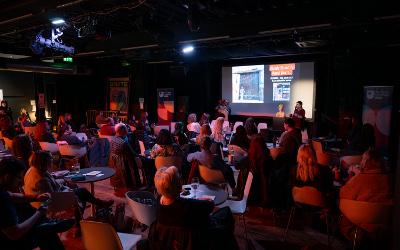
Feel free to bleed: OU partners with the Vagina Museum
The Open University has embarked on a bold new collaboration with the Vagina Museum to advance menstrual justice through data driven advocacy, public engagement, and feminist art.
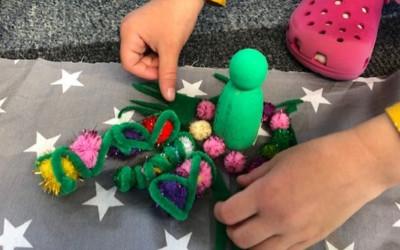
OU wins ESRC fellowship to transform how children read stories
The Open University has secured a £124,955 Economic and Social Research Council Postdoctoral Fellowship to explore how young children engage with stories beyond words on the page.
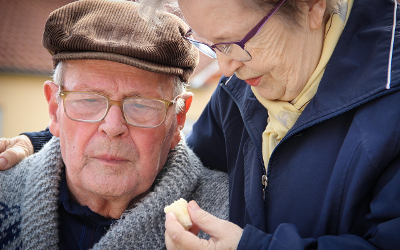
OU academics expose the hidden inequalities facing unpaid carers
Unpaid carers, sometimes described as society’s “invisible army”, are being pushed to the brink by rising costs, shrinking statutory provision and entrenched inequalities, according to new research led by The Open University.


Explore

Undergraduate
Postgraduate
Policy
-
Follow us on Social media
-