News & articles

OU Bake your Research student winners
As the UK prepares for the final of The Great British Bake Off 2020, the winners of the OU student Bake your Research competition have been announced.

OU academic honoured for use of technologies in children’s storytelling
An OU academic has been recognised for her research into the impact of multimedia personalized stories made by and aimed at young children.
Funding for PhD studentships in Maths
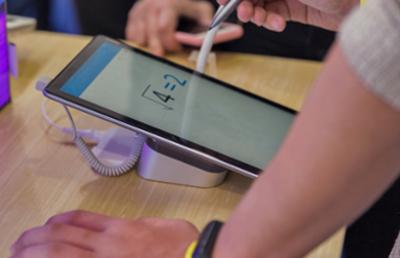
The OU has received funding to offer PhD studentships in Maths.
Researching public understanding of COVID-19 restrictions
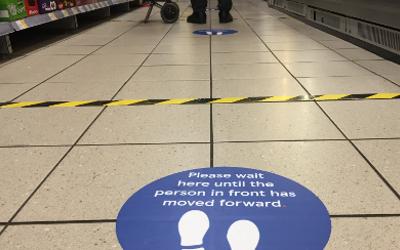
An Open University (OU) COVID-19 Rapid Response funding scheme is supporting new research into how language can shed light on how “right” and “wrong” is defined and redefined in relation to government guidance on social distancing and face-covering.

OU funds digital therapy for LGBTIQ+ youth in COVID-19
An Open University (OU) COVID-19 Rapid Response funding scheme is supporting updates to an existing digital therapy program in order to better support the mental health of lesbian, gay, bisexual, transgender/trans, intersex and questioning (LGBTIQ+) youth.
New method to simulate artificial tissue
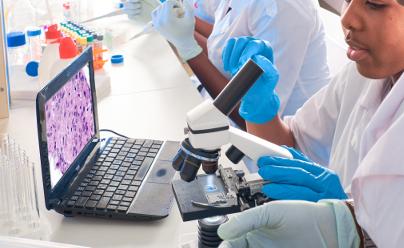
A new method to simulate how artificial tissue can be grown in the lab to repair injuries and to provide better ways of testing new medicines without using animals has been developed by an OU researcher.
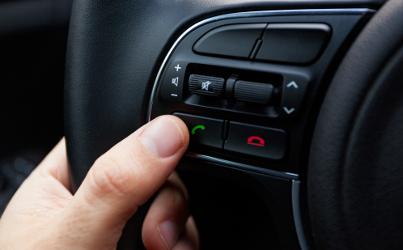
Research informed interactive to promote safer driving
A research-informed interactive which challenges users to see if they can drive safely and work effectively at the same time, has been launched during Road safety week.
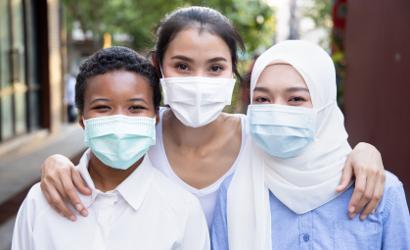
Research into the impact of coronavirus on young Black Britons
An OU academic has received funding to research the impact of COVID-19 on young Black Britons.
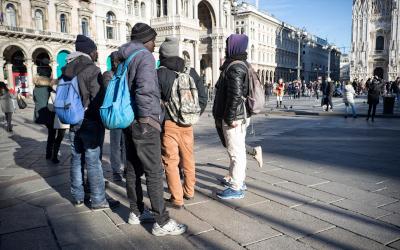
Research grant to support workplace inclusion of migrants in Italy
An OU academic is researching the experiences of migrants in the workplace in the Aosta Valley region in Italy, an area with an increasing migrant and refugee population.
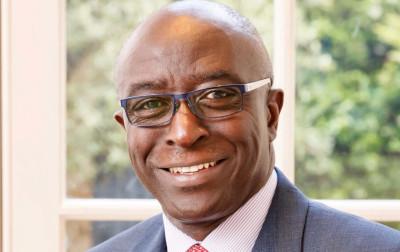
OU academic joins Global Education Evidence Advisory Panel
An OU academic has joined the Global Education Evidence Advisory Panel to share his international research and expertise on education systems in Africa.
Contact our news team
For all out of hours enquiries, please telephone +44 (0)7901 515891
Contact details

Explore

Undergraduate
Postgraduate
Policy
-
Follow us on Social media
-