OU research model drives literacy transformation across São Paulo
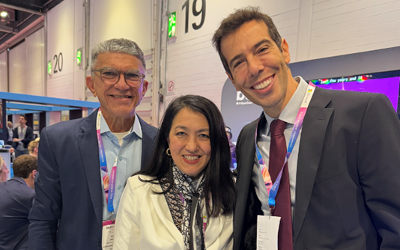
A major state-wide literacy programme in Brazil is demonstrating how Open University research is informing public policy at scale, following its high profile presentation at BETT London 2026 by São Paulo’s Secretary of Education, Renato Feder.
The Alfabetiza Juntos SP (“Literacy Together SP”) initiative is one of Latin America’s largest early literacy programmes, coordinating 645 municipalities, 91 school boards, and 1,400 state schools to support more than 370,000 children. Its target is ambitious: ensuring 90% of children up to age seven achieve literacy by 2026.
Central to this achievement is the CARE–KNOW–DO model, created by Dr Alexandra Okada of The Open University. Developed through European–Brazil collaborations on multiliteracies, the model provides the programme’s core theoretical and practical foundation. Dr Okada’s framework shapes teacher training, classroom pedagogy, and decision making across the entire state system, ensuring that improvements are grounded in evidence and sustained through consistent practice.
The CARE–KNOW–DO framework integrates:
- CARE – strengthening student motivation and teacher support
- KNOW – embedding evidence-based literacy practices
- DO – connecting learning to meaningful real-world contexts
Programme coordinator Marcia Bernardes presented compelling evidence of the model’s impact. School attendance has risen from 78% in early 2023 to 89% by late 2025, while the proportion of children achieving literacy at the correct age has increased from 56% to 77% - significant progress toward the 90% goal and a strong contribution to UN Sustainable Development Goal 4 (Quality Education).
Implementation spans pedagogical, financial, and digital support for municipalities, with schools offering homework clubs, recognition systems, and events that build learner engagement. The programme also links literacy to wider themes such as sustainability, diversity, equity, and inclusion.
Dr Okada’s influence extends beyond the model itself. She continues to work with São Paulo through projects such as CONNECT and CONNECT2030, with findings presented by team members in Oxford and shared across partner states. Her collaboration with leaders including Veveu Arruda and the SEDUC team has helped embed CARE–KNOW–DO deeply across the state’s literacy strategy.
At BETT London, Feder positioned Alfabetiza Juntos SP as a replicable, research driven model for largescale educational reform—showcasing the global impact of OU research on improving literacy outcomes for children and communities.
Contact our news team
For all out of hours enquiries, please telephone +44 (0)7901 515891
Contact detailsNews & articles
The leaders we need: Quiet influence and reflection in uncertain times
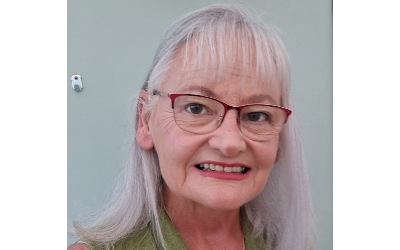
In her inaugural lecture on 8 October 2026, Jacqueline Baxter, Professor of Public Leadership and Management, Open University Business School, Faculty of Business & Law, examined the powerful yet often unseen ways organisational and sociological cultures shape learning, leadership, meaning and occupational identity in today’s workplaces.


Explore

Undergraduate
Postgraduate
Policy
-
Follow us on Social media
-