OU academic joins Global Education Evidence Advisory Panel
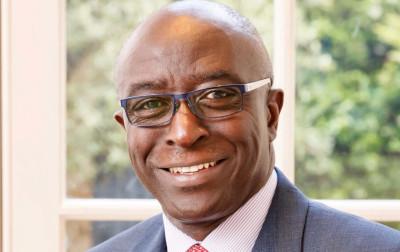
An OU academic has joined the Global Education Evidence Advisory Panel to share his international research and expertise on education systems in Africa.
Kwame Akyeampong, Professor of International Education and Development at the OU, was one of the authors on a new report by leading global education experts which looks at cost-effective ways to improve global learning and tackle learning crisis compounded by COVID-19.
Professor Akyeampong led a panel with the UK Minister for Foreign Affairs and Development, Baroness Sugg and other high-profile panellists which discussed evidence about the impact of teacher training drawing on his knowledge of teacher training in Africa,
He said:
“The establishment of the Global Education Evidence Advisory Panel is ground breaking in the sense that it is the first time that a global panel of experts have been selected to present advice on what works in education to improve learning. The panel’s work is seen in the same league as the International Panel on Climate Change.
“The advice it gives is going to inform how development organisations prioritise funding to support education in low/middle income countries. It is intended to be helpful to technical staff in Ministries of Education, donor agencies, local education groups, and non-profit organisations in thinking through appropriate interventions to improve learning in mainly developing countries.”
Related content
Find out more about OU research in International Development and Inclusive Innovation
Contact our news team
For all out of hours enquiries, please telephone +44 (0)7901 515891
Contact detailsNews & articles
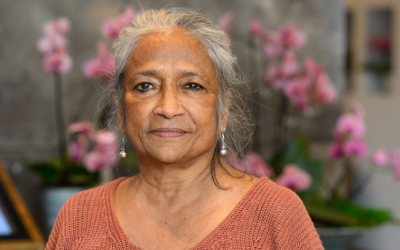
Can care build a better economy?
The Open University hosted its third lecture in its Global Development Annual Lecture series on 22 October 2026, delivered by Naila Kabeer, Professor Emeritus at the London School of Economics, a faculty member of their International Inequalities Institute, and on the government board of the Atlantic Fellowship for Social and Economic Equity.


Explore

Undergraduate
Postgraduate
Policy
-
Follow us on Social media
-