CONNECT 2030: ‘top three’ open schooling recognised by UNESCO
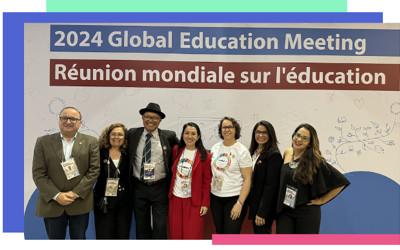
CONNECT 2030, an international project led by Dr Alexandra Okada from The Open University (OU), earned UNESCO recognition as a top three global initiative in digital education transformation at the 2024 Global Education Meeting in Fortaleza. The project, which sits on the University’s Open Societal Challenge platform, champions Open Schooling by connecting classroom education with real-world societal challenges.
Through hands-on projects addressing UN Sustainable Development Goals, students develop critical digital skills beyond traditional classroom settings, showcasing Open Schooling's effectiveness in preparing youth for real-world challenges.
At the 2024 UNESCO Global Education Meeting, the role of education was highlighted as a social equaliser and catalyst for sustainable development, resonating strongly with the goals of Open Schooling. The value of collaborative, community-centred learning approaches - an essential feature of Open Schooling that empowers students to address pressing social and environmental issues - aligns with the OU’s Open Societal Challenges platform.
The OU leads a diverse network of partners on the CONNECT2030 project, including Anjos Digitais (digital inclusion NGO), Ceará's Department of Education (SEDUC), Brazilian universities (UFSC, UFCA, UNEB), Brazilian Ministry of Science, Technology and Innovation (MCTI-IBICT).
CONNECT 2030 showcased five Open Schooling projects at the 2024 UNESCO Global Education Meeting, each aligning with sustainable development goals and providing concrete pathways for students to engage with and impact their communities. These included:
- AI for Ecosystem Protection and Support for Vulnerable Communities Affected by Climate Change
- Audiovisual Resources for Heritage and Cultural Protection and Resilience
- Augmented Reality (AR) for Health and Well-being
- Digital Inclusion for Gender Equality and Equity
- Mobile Tools for Decent Work Against Human Trafficking
About Open Societal Challenges
The OU’s Open Societal Challenges programme aims to tackle some of the most important societal challenges of our time through impact-driven research.
The programme’s focus on the themes of Tackling Inequalities, Living Well and Sustainability align well with the OU’s mission to be open to people, places, methods and ideas.
The programme’s aim is to apply excellent research by OU academics to some of the most pressing challenges facing people across the UK and worldwide to transform lives and drive societal change.
Contact our news team
For all out of hours enquiries, please telephone +44 (0)7901 515891
Contact detailsNews & articles
OU public health campaign shortlisted for national Carers UK Award
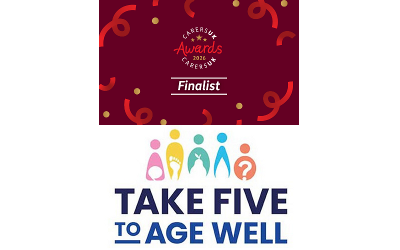
A national public health campaign co-developed by The Open University researchers to support UK-wide communities to age well, inclusive of, co-developed with and for unpaid carers, has been shortlisted for the ‘Standout Campaign of the Year’ category at the 2026 Carers UK Awards.


Explore

Undergraduate
Postgraduate
Policy
-
Follow us on Social media
-