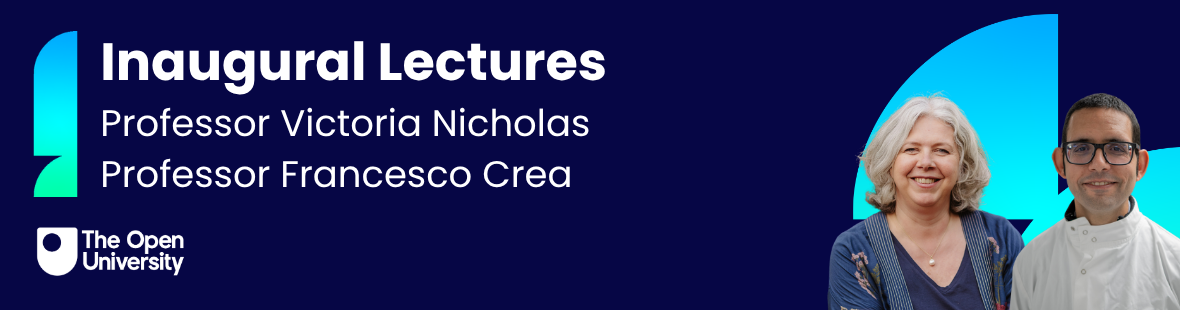
Inaugural insights: Student success and the future of cancer treatment
- Dates
- Tuesday, June 23, 2026 - 16:00 to 17:30
-
Location
- Berrill Lecture Theatre, Walton Hall, The Open University, MK6 7AA
Join Open University (OU) Professors Victoria Nicholas and Francesco Crea for two inaugural lectures: one exploring how the right support helps OU students thrive, and the other explaining how changes in how cells read DNA can drive cancer — and how this knowledge is opening the door to more precise treatments.
Write here, right now: The simple study habit with big impact
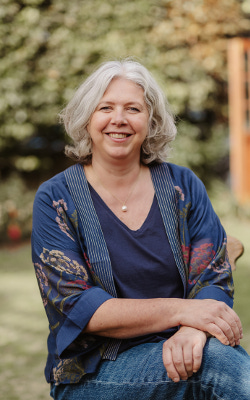
Victoria Nicholas, Professor of STEM Education and holds the role of Associate Dean Faculty & Strategy in the Faculty of Science, Technology, Engineering and Mathematics (STEM)
Abstract
Many OU students take unconventional paths through their education, and The Open University must provide the right scaffolding for student skills to help them thrive — especially those with limited prior educational qualifications.
This lecture draws on scholarship demonstrating how structured writing time sessions enhance students’ time management, study skills, and sense of community. Professor Nicholas will outline the scholarship approach that her team took and the impact it has had on students in the STEM Faculty and beyond.
She will also reflect on her own unusual journey from tutor to professor and the scaffolding and mentorship that supported my progression. Together, these perspectives reveal how intentional support fosters both academic and professional growth.
Read more about Professor Victoria Nicholas
Is cancer more than just genes? Precision epigenetics explained
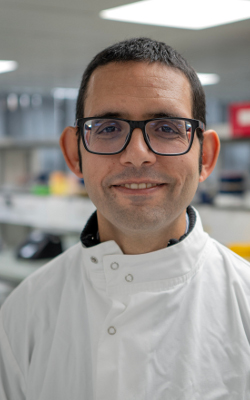
Francesco Crea, Professor of Cancer Pharmacology, Faculty of Science, Technology, Engineering and Mathematics
Abstract
Everyone knows that cancer is a genetic disease caused by the accumulation of mutations in our DNA. But is this the whole story? Recent research shows cancer is also caused by epigenetic errors. The Epigenome is a molecular network that links your genes to the environment, ensuring that DNA instructions are read appropriately in each circumstance. Epigenetic forces are omnipresent in biology, shaping phenomena such as flowering, the colour of mammalian fur and human response to stress. Cancer cells hijack normal epigenetic processes to drive uncontrolled proliferation and treatment-resistance.
Through a decade-long collaboration with leading pharmaceutical industries and international clinical centres, Professor Crea and his team have shown that epigenetic alterations offer a new therapeutic opportunity in oncology. This is due to two key features of epigenetic alterations: (I) they are reversible and can be therefore targeted by specific medicines; (II) they can be identified in blood samples, opening up opportunities for therapeutic monitoring and personalised treatments.
They have recently proposed to leverage these features and create an epigenetic blood test to predict the right treatment for the right patient at the right time. This is what they call Precision Epigenetics. Their work starts in the state-of-the-art STEM labs and is then translated into clinical applications, to generate precision treatments and companion diagnostic tools for incurable diseases.
In this talk, Professor Crea will discuss examples of his research team’s impact in treatment-resistant prostate cancer and in other incurable diseases. Their research informs STEM teaching, especially within the new biomedical curriculum and via collaborations with international oncology schools.
Read more about Professor Francesco Crea
Attendance
Register for the event via Eventbrite
Watch the webinar online
Please take the opportunity to have your questions answered by our speakers LIVE during the event:
Email us your questions Use #OUtalks on BlueSky
Event programme
| Timings | Item |
|---|---|
| 15:30 | Registration opens |
| 16:05 | Inaugural lecture: Write here, right now: The simple study habit with big impact |
| 16:43 | Inaugural lecture: Is cancer more than just genes? Precision epigenetics explained |
| 17:18 | Q&A |
| 17:30 | Networking over refreshments |


Explore

Undergraduate
Postgraduate
Policy
-
Follow us on Social media
-